
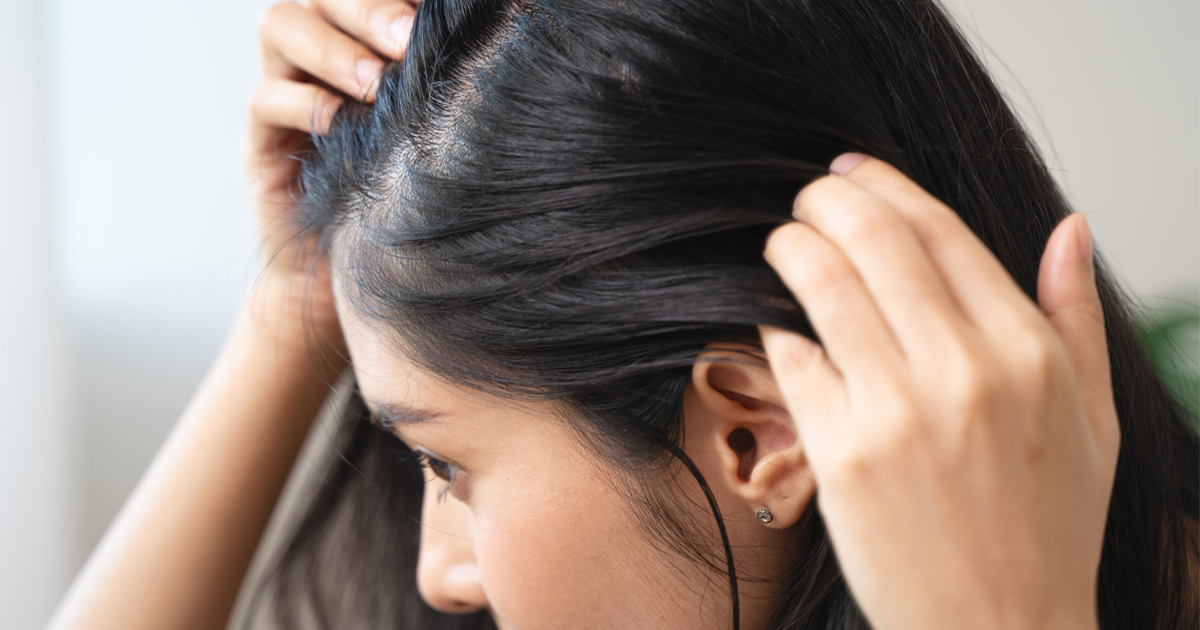
When Should You Consider Hair Restoration Treatment?
Table of Contents
- 1. Understanding Hair Thinning Before Choosing a Solution
- 2. Hair Restoration Treatment: When Should You Consider It?
- 3. Common Signs That It's Time to Seek Professional Evaluation
- 4. What Can Cause Hair Thinning?
- 5. What Happens During a Hair Restoration Consultation?
- 6. Factors That May Influence Your Results
- 7. Common Mistakes to Avoid
- 8. Frequently Asked Questions
- 9. Key Takeaways
- 10. Ready to Learn More About Your Hair Restoration Options?
- 11. Disclaimer
- 12. References
Hair thinning often happens gradually, making it easy to dismiss at first. You might notice a little more hair in the shower, a wider part, or less volume when styling your hair. While occasional shedding is completely normal, ongoing changes can leave you wondering whether it’s time to explore hair restoration treatment and what your next step should be.
The good news is that not every case of hair thinning follows the same pattern, and there isn’t a one-size-fits-all solution. Understanding what may be causing the changes, recognizing when professional guidance may be helpful, and knowing what treatment options are available can help you make informed decisions with confidence. If you’re curious about alternatives that don’t involve surgery, you can learn how non-surgical hair restoration options may help before deciding which approach may be right for you.
In this guide, you’ll learn how to recognize the signs that it may be time to seek treatment, what can contribute to hair thinning, and what you can expect when speaking with a healthcare provider about your concerns.
1. Understanding Hair Thinning Before Choosing a Solution
Discovering that your hair is becoming thinner can be frustrating. For some people, the changes are subtle and develop over several years. Others notice increased shedding over a much shorter period. Because every situation is different, it’s important not to assume that your experience is the same as someone else’s.
Healthy hair naturally goes through a cycle of growth, rest, and shedding. Losing some hair every day is considered normal because new hairs continuously replace older ones. The concern usually begins when shedding becomes more noticeable, your hair no longer appears as full as it once did, or certain areas of your scalp become easier to see.
Hair thinning can affect both men and women, although it often appears differently. Men commonly notice a receding hairline or thinning at the crown, while women may experience a gradual widening of the part or a reduction in overall hair volume. Some individuals develop diffuse thinning, where the entire scalp appears less dense without creating obvious bald spots.
Because these changes often happen slowly, many people postpone seeking advice. They may hope the problem resolves on its own or assume thinning is simply part of getting older. While aging can certainly influence hair growth, it’s only one of many possible contributing factors.
Learning to recognize these early changes gives you an opportunity to better understand what is happening and determine whether additional evaluation may be beneficial.
2. Hair Restoration Treatment: When Should You Consider It?
There isn’t a single moment when everyone should begin exploring treatment. Instead, the decision usually depends on how your hair has changed, how long you’ve noticed the problem, and whether those changes continue to progress.
One of the clearest signs is when your hair no longer looks or feels the way it used to. You may find yourself styling your hair differently to cover thinner areas or noticing that your ponytail feels smaller than it did a year ago. These gradual changes can sometimes indicate that your hair follicles are producing thinner hairs than before.
Another reason to consider professional evaluation is when shedding continues for several months without an obvious explanation. Temporary shedding after illness, major stress, or childbirth may improve on its own, but persistent thinning deserves closer attention.
Early evaluation can also be valuable because some forms of hair loss respond better when active hair follicles are still present. Waiting until significant hair density has been lost may reduce the number of available treatment options depending on the underlying cause.
Rather than trying to diagnose yourself online, a healthcare provider can evaluate your scalp, review your health history, and help determine whether your symptoms are part of a normal hair growth cycle or whether further investigation is appropriate.
3. Common Signs That It's Time to Seek Professional Evaluation
Many people ask whether there’s a specific amount of hair loss that signals it’s time to seek help. The answer isn’t always based on the number of hairs you lose each day. Instead, providers often look at patterns, progression, and changes over time.
Some signs that may indicate it’s worth scheduling an evaluation include:
- Gradual hair thinning that continues to worsen over several months.
- A widening hair part or increasing visibility of the scalp.
- A receding hairline or thinning around the temples.
- Excessive hair shedding during washing or brushing that seems unusual for you.
- Noticeable changes in overall hair density or volume.
These changes do not automatically mean you need treatment, but they can provide valuable clues about what’s happening beneath the surface.
You should also pay attention to changes involving your scalp condition. Persistent irritation, redness, scaling, or discomfort may indicate an underlying issue that deserves medical attention before cosmetic treatments are considered.
According to the Mayo Clinic, hair loss may result from genetics, hormonal changes, certain medical conditions, medications, or physical and emotional stress. Because there are many possible causes, identifying the underlying reason is an important step before deciding on an appropriate treatment approach.
Recognizing these signs early doesn’t necessarily mean you need immediate intervention. Instead, it gives you an opportunity to better understand your situation and discuss options before additional thinning occurs.
4. What Can Cause Hair Thinning?
Hair thinning is often more complex than people realize. While many immediately think about genetics, several different factors can influence how your hair grows and sheds throughout your life.
One of the most common causes is pattern hair loss, which affects both men and women. In these cases, genetics and natural hormonal influences gradually cause hair follicles to produce finer, shorter hairs over time. Because the process is slow, many people don’t recognize the changes until significant thinning has already occurred.
Hormonal changes can also play an important role. Pregnancy, menopause, thyroid disorders, and other hormonal shifts may temporarily or permanently affect the hair growth cycle. Women often notice these changes during periods of significant hormonal transition, while men may experience gradual thinning associated with inherited sensitivity to certain hormones.
Lifestyle factors may also contribute. High levels of ongoing stress can interrupt the normal hair growth cycle, sometimes leading to stress-related hair loss several months after a stressful event. Likewise, nutritional deficiencies, rapid weight loss, or restrictive diets may affect the nutrients needed to support healthy hair growth.
Certain medications and medical conditions may contribute as well. Autoimmune disorders, chronic illnesses, scalp conditions, and some prescription medications can all influence hair growth in different ways.
Because so many different factors can be involved, identifying the underlying cause is often more valuable than trying multiple products without understanding why your hair is changing. A professional evaluation focuses on understanding your individual situation rather than assuming every person with thinning hair requires the same solution.
5. What Happens During a Hair Restoration Consultation?
Taking the first step toward a professional evaluation can feel intimidating if you’ve never discussed hair thinning with a healthcare provider before. Fortunately, the consultation is designed to gather information, answer your questions, and determine whether treatment may be appropriate for your individual needs.
Your provider will usually begin by asking when you first noticed changes in your hair and whether the thinning has remained stable or continued to progress. You may also discuss your overall health, medications, family history, recent illnesses, stress levels, and lifestyle habits. Each of these factors can provide valuable insight into what may be contributing to your symptoms.
A scalp assessment is another important part of the evaluation. Instead of looking only at visible thinning, your provider will examine the health of your scalp and existing hair follicles to better understand your current hair growth pattern. If you’re interested in learning what healthcare providers typically evaluate before recommending treatment, you can see the factors that may determine whether treatment is right for you before your consultation.
The goal isn’t simply to recommend a treatment. It’s to understand your situation, answer your questions honestly, and help you decide whether moving forward aligns with your expectations and long-term goals.
6. Factors That May Influence Your Results
One of the biggest misconceptions about hair restoration is that results depend only on the treatment itself. In reality, several factors can influence how your hair responds over time.
The underlying cause of your hair thinning plays an important role. Someone experiencing gradual male pattern hair loss may have a different outlook than someone whose thinning developed after a temporary illness or significant emotional stress. Likewise, female pattern hair loss often follows a different progression and may require a personalized approach.
Timing also matters. Seeking evaluation while active follicles are still present may provide more opportunities to support healthier hair growth than waiting until thinning has become much more advanced.
Consistency is another important factor. Hair grows in cycles, so meaningful changes generally develop gradually rather than immediately. Following the treatment plan recommended by your provider gives your scalp the opportunity to respond over time while allowing progress to be monitored appropriately.
Overall health can also influence results. Maintaining a balanced diet, managing stress, getting adequate sleep, and addressing any underlying medical concerns all contribute to supporting healthy hair growth. Although these habits may not reverse every type of hair loss, they can create a healthier environment for your scalp and hair.
According to the American Academy of Dermatology, identifying the underlying cause of hair loss is an important part of determining the most appropriate management approach. Because every person’s situation is different, individualized recommendations help create realistic expectations.
7. Common Mistakes to Avoid
Many people unintentionally delay seeking guidance because they assume hair thinning is simply a cosmetic concern or an unavoidable part of aging. While aging can certainly influence hair growth, persistent changes deserve attention rather than assumptions.
Another common mistake is trying multiple products without understanding why your hair is thinning in the first place. A treatment that works well for one individual may not be appropriate for someone whose hair loss has a completely different cause.
It’s also important to avoid expecting overnight improvements. Healthy hair growth is gradual, and noticeable changes often take time. Comparing your progress to someone else’s can also create unrealistic expectations because genetics, scalp health, overall wellness, and the underlying cause of hair thinning all differ from person to person.
Finally, don’t ignore changes that continue to worsen. Seeking professional guidance doesn’t automatically mean you’ll need treatment, but it can help you better understand your options before additional hair density is lost.
Frequently Asked Questions
Some forms of hair thinning improve once the underlying cause has been addressed, while others progress gradually over time. If you've noticed ongoing changes for several months or your hair continues to lose density, a professional evaluation can help determine what may be contributing to the problem.
Yes. Hair thinning affects both men and women, although the patterns and contributing factors often differ. An individualized assessment helps identify the underlying cause and provides recommendations based on your specific situation rather than a one-size-fits-all approach.
Not necessarily. Stress can contribute to temporary hair shedding for some people, but genetics, hormonal changes, medical conditions, medications, and nutritional factors may also play a role. A healthcare provider can help determine which factors may be affecting your hair.
A balanced diet supports overall health, including healthy hair growth, particularly if nutritional deficiencies are contributing to thinning. However, not every type of hair loss is related to nutrition, so it's important to understand the underlying cause before relying on dietary changes alone.
In many cases, early evaluation provides a clearer understanding of what is causing your hair thinning and may allow more treatment options to be considered while active hair follicles remain. Even if treatment isn't recommended immediately, having a professional assessment can help you make informed decisions about monitoring your hair health.
Key Takeaways
- Hair thinning can result from genetics, hormonal changes, stress, medical conditions, medications, and nutritional deficiencies.
- Recognizing gradual changes early allows you to explore your options before thinning becomes more advanced.
- A professional evaluation focuses on identifying the underlying cause rather than treating every case the same way.
- Healthy hair growth takes time, and realistic expectations are an important part of the treatment journey.
- Personalized recommendations help determine which approach best aligns with your individual goals.
Ready to Learn More About Your Hair Restoration Options?
Understanding when to seek professional guidance is an important first step, but learning about the treatments available can help you make more informed decisions about your next steps. If you’d like to explore local care, you can explore hair restoration treatment options to learn more about the consultation process and what to expect.
When you’re ready to continue your research, learn more about Alma TED Hair Restoration and how a personalized evaluation can help determine whether this treatment aligns with your needs and goals.
Disclaimer
This article is intended for educational and informational purposes only and should not be considered medical advice, diagnosis, or treatment. Hair thinning and hair loss can have many different causes, and individual responses to treatment vary. Always consult a qualified healthcare provider for personalized recommendations regarding your symptoms and before beginning any treatment.